Category: Uncategorized

  • Signs a Live Oak or Pine Is a Storm Hazard

    ☎ Call Now for a Free Quote: (801) 860-6906

    Signs a Live Oak or Pine Is a Storm Hazard (Gulf Breeze, FL Guide)

    Most trees are assets. The live oaks that shade Gulf Breeze Proper and Oriole Beach, the protected stands at the Naval Live Oaks Preserve, the slash and longleaf pines lining Tiger Point and the 32563 corridor — properly maintained, these trees deliver real value: shade that cuts cooling costs through Florida’s brutal summers, wildlife habitat, curb appeal, and decades of irreplaceable character that helps make Gulf Breeze real estate what it is.

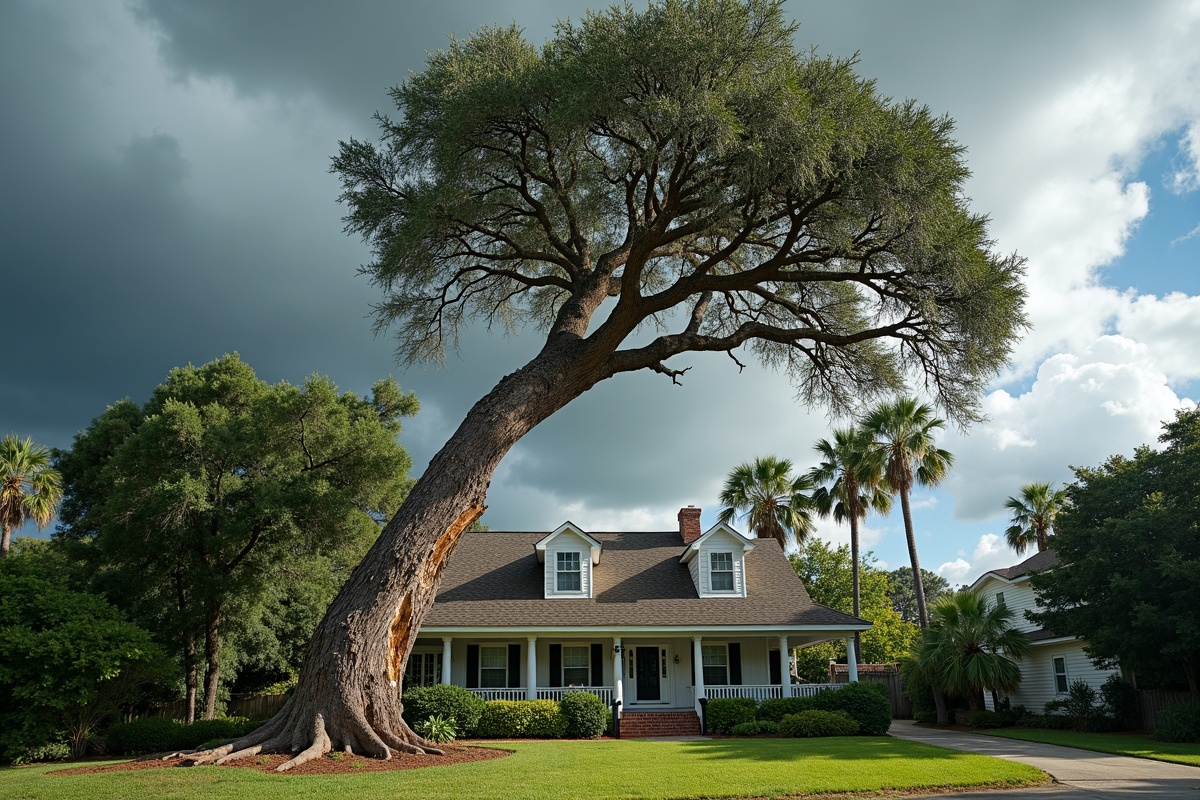
    But a tree in poor structural condition — dead, diseased, structurally compromised, or root-damaged — is a different story, especially on a peninsula exposed to wind from Pensacola Bay and Santa Rosa Sound. In Gulf Breeze, where hurricane season runs half the year and severe thunderstorms are a summer regular, a hazardous tree isn’t just an eyesore. It’s a liability — and near a high-value home, an expensive one.

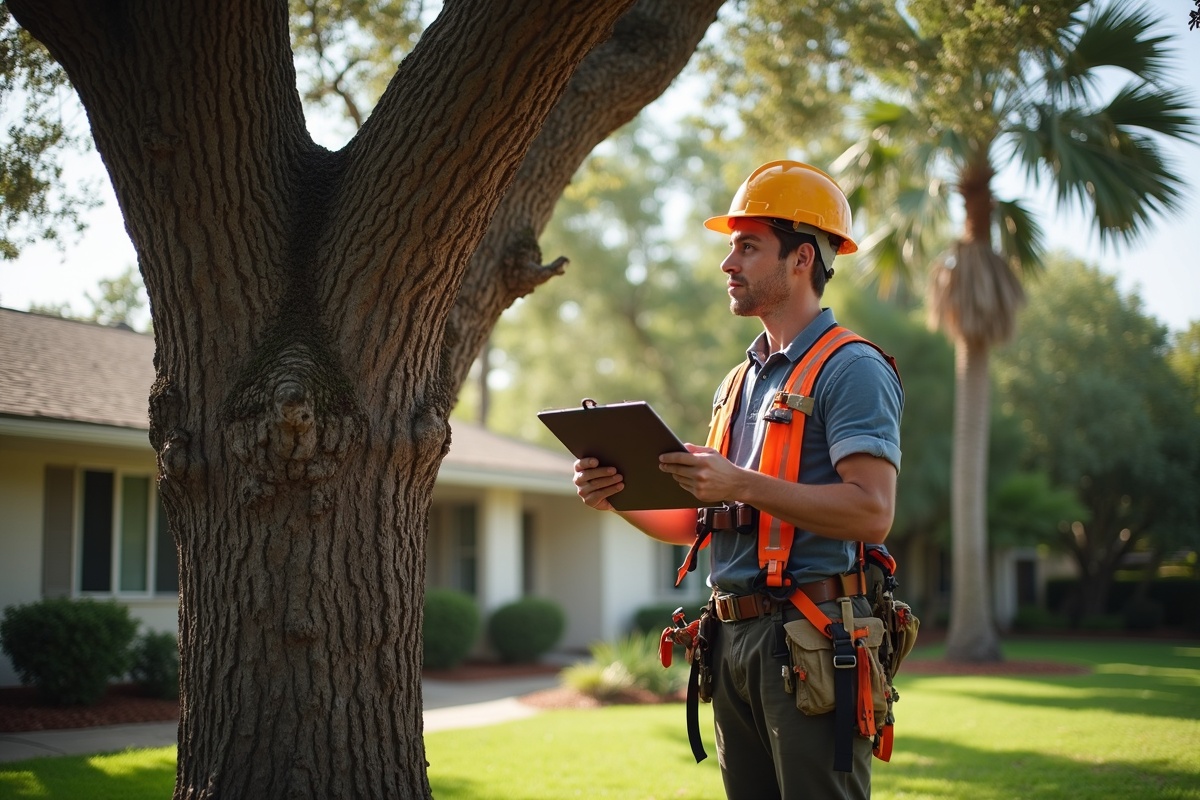
    The tricky part is that many of the most dangerous trees don’t look alarming from the street. You don’t need to be an ISA Certified Arborist to notice warning signs, but you do need to know what to look for. This guide covers the specific signs Gulf Breeze homeowners should know for the two most common significant-tree types in the area: southern live oaks and the native pines (slash and longleaf).


    Why Hazard Trees Are a Particular Concern in Gulf Breeze

    Peninsula conditions make hazard-tree assessment genuinely important here:

    Named storm history. Gulf Breeze has been hit hard. Hurricane Sally (2020) stalled over the area, dropping more than 20 inches of rain in the first day and causing widespread wind damage across the peninsula. Post-storm surveys consistently show the trees that failed were disproportionately the ones with pre-existing structural issues, disease, or neglected maintenance.

    Wind from two directions. Sitting between Pensacola Bay and Santa Rosa Sound, Gulf Breeze trees catch wind and salt spray from both sides. Even in a “quiet” season, tropical-storm-force winds (sustained 40–60 mph) reach the peninsula regularly — more than enough to fail a compromised tree that seems stable on a calm day.

    Sandy peninsula soil. Gulf Breeze’s sandy soils drain well but anchor root systems less firmly than clay. Trees with compromised roots can uproot at lower wind speeds than similar trees in harder soils elsewhere.

    Salt exposure. Proximity to the bay and Sound means many lots — especially waterfront properties in Villa Venyce and Santa Rosa Shores — get salt-laden air that stresses trees over time, making them more susceptible to disease and pests, particularly after storm stress.

    Pine beetle and disease pressure. Panhandle pines face ongoing pressure from bark beetles, especially in drought-stressed or overcrowded stands. A pine can go from stressed to dead in a single season, and a dead pine near a structure is one of the most urgent hazards you can have.


    Warning Signs Specific to Southern Live Oaks

    Live oaks (Quercus virginiana) are the signature Gulf Breeze tree and, when healthy and maintained, extremely resilient. But mature live oaks can develop serious structural problems, and because they’re large and often near homes, those problems carry real risk.

    Large Dead Branches in the Crown

    Dead branches in a live oak crown — “widow makers” — are the single most common hazard sign in Gulf Coast trees. A dead limb doesn’t fall on a schedule. It can come down on a still day, in a storm, or when wind vibration shakes the canopy.

    What to look for:

    • Branches with no leaves during the growing season (spring through fall) while surrounding branches are full
    • Branches with dry, cracked bark and gray or bleached wood
    • Brittle-looking branch tips that contrast with flexible, green twigs elsewhere
    • Mushrooms or fungal growth on large limbs (decay in that limb)

    A single small dead branch is normal — trees shed those naturally. What’s concerning is multiple large dead branches or a whole crown section that’s died back.

    Included Bark in Co-Dominant Stems

    This is one of the most important structural defects in mature live oaks — and one of the least visible from the ground. Many live oaks develop two or more main stems (co-dominant stems) splitting from a common base. When these stems press together at a tight angle, bark gets embedded in the union — “included bark.”

    A healthy stem union has a collar — a ridge of wood wrapping the base of the stem for support. An included-bark union lacks it. The stems just press against each other with bark between them — a weak connection that can fail catastrophically under storm load.

    How to spot it: Look at the crotch where two major stems diverge. A healthy union shows a visible ridge or collar. An included-bark union shows a tight, compressive groove with embedded bark — sometimes a vertical crease in the crotch. The tighter the angle, the worse the included bark tends to be.

    Included bark in small stems is manageable through early pruning. In large mature co-dominant stems, it’s a serious defect. Trees showing obvious included bark in large-diameter stems should be evaluated by a professional before hurricane season.

    Horizontal Limbs With Excessive Span or End-Weight

    Live oaks are celebrated for sweeping horizontal limbs — it’s part of their magnificence. But very long horizontal limbs with significant end-weight can develop cracking stress over time and are exposed to major lift force in high winds.

    Warning signs:

    • Visible cracks at the base of the limb where it meets the trunk
    • A slight downward sag that has increased over time
    • Previous storm damage (split, cracked, or braced limbs from prior events)
    • Limbs passing over your roofline, driveway, dock, or living areas

    Fungal Growth at the Base of the Trunk

    Bracket fungi (conks) at the base of a live oak — especially large, shelf-like mushrooms attached to the bark or roots — are a serious warning sign, indicating decay in the root system or trunk base. A tree with significant basal rot has less structural integrity than it appears.

    What to look for:

    • Shelf-like, bracket, or mushroom growth on the trunk below about 5 feet
    • Clusters of smaller mushrooms from roots or at the soil line
    • Soft or discolored bark at the base

    Not all fungi are dangerous — some grow on dead bark or surface organics. But basal fungi tied to the root system or trunk wood warrant a professional evaluation.

    Sudden or Progressive Lean

    A lean that appeared or increased — especially after a rain or storm event — points to root problems. A tree that was upright and is now leaning has had some root plate movement.

    Urgency signals:

    • Soil cracking or lifting on the side opposite the lean
    • Exposed roots on one side
    • A lean that appeared suddenly rather than developing over years

    A suddenly leaning live oak near a structure is an urgent situation, not a “next month” one.


    Warning Signs Specific to Pines

    Gulf Breeze-area pines — mainly slash and longleaf — fail differently than live oaks. Where oaks lose limbs or partially uproot, pines commonly snap: trunk failure at mid-height, often without much warning. That’s why knowing the pine-specific signs matters — by the time a pine looks severely distressed, removal may be urgent.

    Yellowing or Browning Needles

    Healthy pines have deep green needles. Yellowing or browning — especially in the upper crown or one side — signals serious stress. Common causes:

    • Bark beetle infestation (see below) — needles fade green to yellow to red-brown as the tree dies
    • Root damage from construction, soil compaction, or flooding
    • Laurel wilt (primarily redbay and swamp bay, but can stress nearby trees)
    • Drought stress combined with root damage

    A pine losing significant needle color is in serious decline, and declining pines near structures should be evaluated promptly.

    Signs of Bark Beetle Infestation

    Pine beetles are the biggest tree-health threat to Santa Rosa County’s pines. They attack stressed trees, laying eggs under the bark; the larvae kill the cambium as they feed, girdling the tree. A heavily infested pine can be dead within a season.

    Evidence of beetle activity:

    • Small circular entry/exit holes in the bark (roughly 1/8 to 1/4 inch)
    • Reddish-brown “frass” (sawdust mixed with excrement) at the base or in bark crevices
    • Pitch tubes — small globs of dried resin where the tree tried to “pitch out” an attack
    • Blue-stain of the wood in branch or trunk cross-sections (from the fungus beetles carry)

    Once a pine is heavily infested and fading, it’s typically beyond treatment. Removal before it becomes a structural hazard — and before the beetles spread to neighboring pines — is the recommended course.

    A Dead Pine Near Your Home

    A dead pine is a straightforward hazard: the trunk gets more brittle by the month, the roots lose their living anchor, and the whole tree can snap or topple with far less wind than a healthy tree needs. Dead pines have to come down — the only question is whether that’s on your schedule or during the next storm.

    A dead or dying pine within falling distance of your home, dock, fence, or vehicle is a priority before hurricane season.

    Sparse or Lost Canopy

    Pines that have progressively thinned over several seasons — fewer, shorter needles, bare crown sections — are chronically stressed. Chronic stress makes pines susceptible to beetle attack, reduces root vitality, and weakens the wood. A pine that was full five years ago but is now thin and patchy warrants a professional look.

    Tight Stand Spacing

    Pines that grew in tight clusters — common in parts of the 32563 corridor and some older subdivision plantings — often develop shallow root systems as they compete for lateral space. Shallow roots mean less storm anchorage. When a stand thins (naturally or by removal), the remaining pines can suddenly be more wind-exposed than their roots can handle.


    Warning Signs That Apply to Both Live Oaks and Pines

    Trunk Cavities and Soft Spots

    Any hollow or visibly rotted area in a trunk is a concern. Tapping the trunk with a mallet and listening for a hollow sound (versus a solid thud) can hint at internal decay — though it’s imprecise. Soft spots where the wood yields to pressure indicate decay. A tree doesn’t have to be fully hollow to be at serious risk; significant decay in even part of the cross-section reduces load capacity in ways that may not show until failure.

    Cracks in the Trunk

    Deep vertical cracks (as opposed to normal surface bark fissuring) can indicate internal stress fractures. Horizontal cracks are particularly serious. Cracks at old wound sites that haven’t closed are ongoing entry points for decay.

    Root Zone Disturbance

    Construction, utility trenching, grading, seawall work, or new impervious surface (driveway extensions, patios, additions) within the root zone — generally out to the drip line or beyond — can cause root damage that doesn’t show in the canopy for 1 to 3 years. If your property has had significant construction near a large tree recently and that tree is now showing canopy decline, root damage is a likely cause. This is common on waterfront lots where bulkhead and dock work disturbs the root zone.


    The Difference Between “Needs Pruning” and “Needs Removal”

    Not every warning sign means the tree must come out. Many trees with issues can be made significantly safer through proper pruning — removing deadwood, thinning the crown, or addressing smaller co-dominant stems early.

    A tree generally needs removal when:

    • It’s dead or has no viable path to recovery
    • Structural failure is likely regardless of pruning (major root rot, large hollow trunk section)
    • The failure zone includes structures or areas where people spend time, and pruning can’t adequately reduce risk
    • It suffered catastrophic storm damage that left it permanently compromised

    A tree may be maintained through pruning when:

    • The structural issues are in the canopy (deadwood, crossing branches, smaller co-dominant stems still manageable)
    • The trunk and root system are sound
    • The tree is otherwise healthy and its loss would be significant and irreplaceable

    Telling these apart requires an on-site assessment by someone who can actually look at the tree — photos and descriptions only go so far.


    When to Call a Professional

    If you’re not sure, call. Situations that warrant an urgent call rather than scheduling for later:

    • Any tree leaning toward your house or a structure after a rain or storm
    • Large branches hanging over living spaces, docks, play areas, or frequently used walkways
    • Visible root plate movement (lifted soil, exposed roots on one side)
    • A pine with fading needles within falling distance of your home
    • Recent storm damage leaving broken or hanging material in the canopy
    • A sudden change in appearance — new lean, rapid crown die-back, significant bark loss

    For non-urgent situations, a free assessment gives you a professional read on what you’re dealing with and what options make sense.


    Get a Free Tree Hazard Assessment in Gulf Breeze

    Gulf Breeze Tree Pros provides free on-site estimates that include an honest assessment of tree condition and storm risk. We’ll tell you what we see, explain your options clearly, and give you a written quote for any recommended work — with no pressure to proceed immediately.

    Call (801) 860-6906 or request an assessment online →

    We serve the entire Gulf Breeze area including Tiger Point, Oriole Beach, Villa Venyce, Santa Rosa Shores, Woodlawn Beach, Midway, Pensacola Beach, Navarre, and the 32563 corridor.

    Tree Removal Services → | Hurricane & Storm Prep Trimming → | Emergency Service →


    *Related reading:*

    Get a Free Tree Service Quote

    Fill out the form below or call (801) 860-6906. We respond fast.
  • Do You Need a Permit to Remove a Tree in Gulf Breeze?

    ☎ Call Now for a Free Quote: (801) 860-6906

    Do You Need a Permit to Remove a Tree in Gulf Breeze, FL?

    Before you schedule a tree removal in Gulf Breeze or anywhere in Santa Rosa County, it’s worth knowing whether a permit is required. Florida’s tree regulations come in layers — state law, county ordinances, municipal rules, and HOA covenants — and they don’t always agree with each other. Getting it wrong can mean fines, required replanting, or worse.

    The short version: many private residential tree removals in the Gulf Breeze area don’t require a permit, but there are important exceptions — and Florida’s protected-species rules, the City of Gulf Breeze tree ordinance, and HOA requirements add complexity worth understanding before you proceed.


    Tree Removal on Private Property: The Baseline

    For trees located entirely on private residential or commercial property in unincorporated Santa Rosa County — not in a right-of-way, not part of a development permit — county regulations generally don’t require a permit to remove an individual tree. Property owners have broad rights to manage vegetation on their own land.

    But that baseline has meaningful exceptions, and the rules differ depending on whether your property is inside the City of Gulf Breeze limits (32561) or in the unincorporated 32563 corridor (Tiger Point, Oriole Beach, Woodlawn Beach, Midway).


    City of Gulf Breeze Tree Ordinance

    The City of Gulf Breeze — which prides itself on its “City of Trees” identity and its live oak canopy — has a tree protection ordinance that is more restrictive than the county baseline. Key provisions that affect homeowners:

    Protected and heritage trees. Gulf Breeze has provisions protecting significant trees above certain size thresholds, and live oaks in particular carry strong protections given their role in the city’s canopy. A tree that qualifies as protected under city ordinance may require a permit and specific justification to remove, even on private property. Size thresholds and species designations matter here; contact the City of Gulf Breeze Community Development or Planning Department for current rules, as ordinances change.

    Development and land-clearing activities. If you’re removing trees as part of a construction project, a renovation requiring a building permit, or any land-clearing, the city’s tree mitigation requirements may apply. These can require accounting for removed trees and may require replacement planting or a payment into a tree fund.

    Right-of-way trees. Trees in the public right-of-way are city property — see that section below.

    When in doubt, call the City of Gulf Breeze before removing any tree that might qualify as protected by size or that’s part of a development project. A quick call is far cheaper than a violation.


    Unincorporated Santa Rosa County (the 32563 Corridor)

    For properties outside city limits — much of Tiger Point, Oriole Beach, Woodlawn Beach, and Midway — tree removal is administered by Santa Rosa County. The county’s land development code includes tree preservation requirements that apply particularly to:

    • Significant development projects and land clearing
    • Protected species (see below)
    • Properties within environmentally sensitive areas (wetlands, coastal zones, floodplains — common along the Santa Rosa Sound shoreline)

    For a routine single-tree removal on a standard residential lot in the unincorporated corridor, permits are typically not required — but this depends on the specifics, including species and size. For guidance, contact Santa Rosa County’s planning or development services office.


    Florida’s Protected Tree Species: Sabal Palms, Live Oaks, and More

    Florida state law and local regulations protect certain species and habitat types worth understanding:

    Sabal Palm (Sabal palmetto): Florida’s state tree has specific legal protections in some contexts. Local ordinances and state rules may affect removal, especially in certain zones. Verify current rules before removing sabal palms.

    Live Oaks: Mature live oaks may trigger protected or heritage-tree provisions under the City of Gulf Breeze ordinance, depending on size and location. Given the area’s identity around its oak canopy, these trees are often subject to more protective rules than other species.

    Trees in Wetlands and Coastal Uplands: If your property contains wetlands, or sits in a coastal high-hazard area or floodplain — common on Sound-front lots in Villa Venyce, Santa Rosa Shores, and the 32563 corridor — removal near those areas may trigger Florida Department of Environmental Protection review or Army Corps of Engineers coordination, on top of local permits.

    Longleaf Pine habitat: Longleaf pine sandhill ecosystems are protected under various state and federal programs. If your property contains significant longleaf habitat, check with the county before large-scale removal.

    When in doubt about species-specific protections, contact the Florida Forest Service or the applicable county or city agency before proceeding.


    Trees in the Public Right-of-Way

    This is the most common source of removal complications. The public right-of-way is the strip between the property line and the street — typically containing the sidewalk, utility easements, and the “tree lawn.” This land is publicly owned or controlled, not private property, even though adjacent homeowners often maintain it.

    If a tree sits in the public right-of-way:

    • You cannot remove it without authorization from the City of Gulf Breeze or Santa Rosa County (depending on whose right-of-way it is)
    • If the tree is dead, diseased, or a safety hazard, report it to the applicable agency and they’ll evaluate it
    • Unauthorized removal of a right-of-way tree can bring fines and a requirement to replant at your cost

    Don’t assume a tree on “your side” of the sidewalk is yours. Verify the right-of-way boundary before any removal near the street.


    HOA Rules and Tree Removal

    Many Gulf Breeze-area neighborhoods — including the Tiger Point subdivisions (Champions Green, Sawgrass, Tiger Lake, Willow Wood) and various Sound-front communities — are HOA-governed, and their CC&Rs or architectural guidelines may regulate tree removal on your own lot.

    Common HOA tree provisions include:

    • Approval required before removing any tree over a certain trunk diameter (often 4 or 6 inches)
    • Front-yard or street-facing trees protected for neighborhood aesthetics
    • Required replacement planting when a significant tree is removed
    • Prohibition on topping (a good provision some HOAs have adopted)

    Rules vary community to community. To find yours:

    1. Locate your HOA’s CC&Rs (usually provided at closing; also available from your management company)

    2. Look for sections on landscaping, trees, or architectural guidelines

    3. If Architectural Review Committee approval is required, submit a request before scheduling removal

    Violating HOA landscaping rules can bring fines, liens, and a demand to restore the landscape at your expense. A 15-minute review of your CC&Rs before calling a tree service is worthwhile.


    Utility Easements and Florida “Call Before You Dig”

    Many Santa Rosa County properties have recorded utility easements where power, water, sewer, gas, or telecom companies have access rights. Trees growing in or over easements may be trimmed or removed by the utility at their discretion.

    Before any tree removal involving ground disturbance (including stump grinding):

    • Call 811 (Florida’s Sunshine State One Call service) at least two business days before the work
    • This is required by Florida law and protects you from liability if underground utilities are damaged
    • The service is free

    This matters especially for stump grinding, where the equipment penetrates below grade.


    Trees on Neighboring Property

    If a neighbor’s tree has branches or roots encroaching on your property, Florida law generally lets you trim branches and roots up to your property line — but you can’t enter the neighbor’s property to do so, and you can’t remove the tree.

    If a neighbor’s tree appears dead, diseased, or at high risk of falling onto your property, start with a direct conversation. If the tree is genuinely dangerous and the neighbor is unresponsive, a written notice (keep a copy) documents your concern. For serious hazards, a consultation with a Florida property attorney may be warranted.

    Tree companies can’t work on a neighbor’s tree without the owner’s authorization, regardless of the tree’s condition.


    Trees and Insurance Claims in Florida

    If a tree falls and damages your property, documentation is critical. Before any cleanup after a storm or failure:

    1. Photograph everything — the fallen tree, the damage, and any context (rot, previous lean)

    2. Contact your homeowners insurance carrier before cleanup starts

    3. Get a written estimate from any tree company you hire — you’ll need it for the claim

    4. Ask the tree company for documentation of the work performed

    Florida’s homeowners insurance market is complex — policies differ significantly in windstorm coverage, hurricane deductibles, and how they handle tree removal. Know your policy before assuming coverage.


    Summary: Permit Requirements for Tree Removal in Gulf Breeze

    | Situation | Permit Required? |

    |—|—|

    | Tree on private residential property, not in ROW | Generally no — verify city/county ordinance and HOA rules |

    | Protected/heritage tree (City of Gulf Breeze) | May require city permit — contact Community Development |

    | Tree in public right-of-way | Yes — contact City of Gulf Breeze or Santa Rosa County |

    | Tree removal as part of development/land clearing | Subject to local tree mitigation requirements |

    | Sabal palms or protected species | Verify with county/state before removal |

    | HOA-governed property (Tiger Point, etc.) | Check CC&Rs — committee approval may be required |

    When in doubt, a phone call to the City of Gulf Breeze or Santa Rosa County takes 10–15 minutes and protects you from an expensive mistake.


    Questions? We Can Help

    Gulf Breeze Tree Pros has extensive experience with Santa Rosa County property owners, city right-of-way situations, and HOA requirements. We can help you understand what’s likely to apply and point you to the right contacts — though for definitive permit guidance, the city, county, or your HOA is always the authoritative source.

    Call (801) 860-6906 for questions or to schedule a free tree removal estimate.

    Back to Tree Removal Services →


    *Related reading:*


    *Note: This article provides general information about tree removal permitting in Gulf Breeze and Santa Rosa County, Florida based on publicly available information as of 2026. Local ordinances and HOA rules change. Always verify current requirements directly with the City of Gulf Breeze, Santa Rosa County, or your HOA before proceeding. This is not legal advice.*

    Get a Free Tree Service Quote

    Fill out the form below or call (801) 860-6906. We respond fast.
  • Tree Removal Cost Gulf Breeze FL 2026: Pricing Guide

    ☎ Call Now for a Free Quote: (801) 860-6906

    How Much Does Tree Removal Cost in Gulf Breeze, FL? (2026 Pricing Guide)

    If you’ve got a dead slash pine leaning toward the fairway in Tiger Point, a live oak limb that cracked over a bayfront roofline, or a magnolia that took damage in a summer squall and has been declining ever since, the first thing most Gulf Breeze homeowners want to know is: *what is this going to cost me?*

    The honest answer is that removal prices in the Gulf Breeze area vary a lot — and anyone who quotes a firm number without seeing your specific tree should be treated with caution. But the factors that drive price are consistent and knowable, and understanding them helps you evaluate quotes, ask the right questions, and avoid being overcharged.

    This guide covers the real factors that determine tree removal pricing across the Gulf Breeze peninsula and the 32563 corridor in 2026.


    The Short Answer: What Tree Removal Typically Costs in Gulf Breeze

    Tree removal in the Gulf Breeze area generally ranges from a few hundred dollars for a small, easy-access tree to several thousand dollars for a large live oak, a tall pine near a structure, or a complex waterfront removal requiring extensive rigging. The wide range reflects genuine differences in job difficulty — a 15-foot crape myrtle in an open Oriole Beach front yard and a 70-foot slash pine overhanging a Villa Venyce dock are both “tree removal,” but they share almost nothing else.

    Rather than throwing out dollar figures that may not match your situation (prices vary by company, complexity, market conditions, and urgency), here’s the practical guidance: get at least two written estimates from licensed, insured local companies before committing. A reputable company assesses the job on-site and provides a written quote with no obligation.


    The Factors That Drive Tree Removal Pricing in Gulf Breeze

    1. Tree Size

    Size is the biggest single driver. Tree companies assess both trunk diameter (measured at chest height — DBH) and total height. Both matter.

    • Small trees (under 20 feet, trunk under 6 inches): Quick and low-risk. Minimal equipment.
    • Medium trees (20–50 feet, 6–18 inch trunk): The most common residential range. More equipment and crew time.
    • Large trees (50+ feet, trunk over 18 inches): More labor, heavier equipment, more time. Price rises substantially.
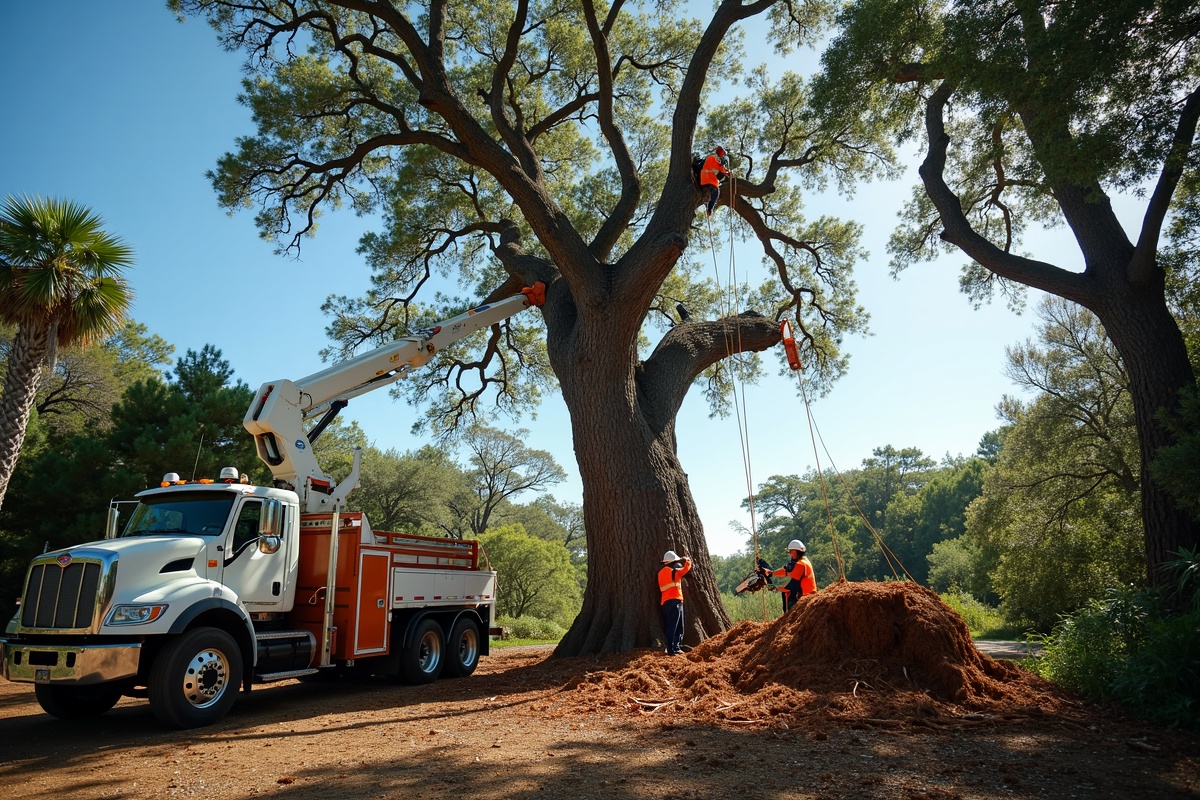
    • Very large trees (mature live oaks, tall slash pines): Complex removals requiring experienced climbers, rigging, and often a full crew day. Gulf Breeze has plenty of these.

    2. Location and Access

    Where the tree sits matters almost as much as size. Gulf Breeze’s premium lots often mean tighter access, not easier.

    Easier access (lower cost):

    • Tree in an open backyard with gate access for equipment
    • Tree on a front lot away from structures
    • Multiple trees clustered together (efficiency)

    Difficult access (higher cost):

    • Tree in a fenced or gated waterfront backyard with no equipment path
    • Tree overhanging the house, screened lanai, pool cage, or dock
    • Tree near a bulkhead, boat lift, or seawall
    • Backyard reachable only through a narrow side gate

    3. Proximity to Structures and Utilities

    An open-lot removal is a different job from one where every piece must be rigged and lowered to miss a roof, pool enclosure, dock, boat, or AC unit. Rigging takes extra time and skill, which raises cost. Utility lines add another layer — trees touching Florida Power & Light lines require specific protocols and sometimes utility coordination.

    4. Storm Damage Complexity

    Storm-damaged trees add complications standard removals don’t have. A partially uprooted tree leaning after a Sound-side blow, a pine snapped mid-trunk resting on a fence, or a live oak limb wedged against a roofline all require careful assessment of tension, load paths, and secondary hazards before any cut. Storm and emergency removals are also in higher demand after events, which drives pricing up market-wide.

    5. Tree Health and Wood Condition

    A fully dead tree isn’t always cheaper to remove. Dead wood has unpredictable internal structure — it can split or shatter under load, requiring more conservative technique and heavier rigging. A severely decayed trunk may be too unsafe to climb. In Gulf Breeze’s humid, salt-influenced climate, dead trees decay fast, accelerating these complications.

    6. Stump Grinding

    Stump grinding is usually priced separately, but it’s almost always worth bundling if you’re already removing a tree — the crew and equipment are on-site, so bundled grinding costs less than a standalone visit later. Learn more about stump grinding →

    7. Debris Handling

    Standard debris removal — chipping branches, sectioning the trunk, hauling everything away — should be included in any reputable quote. Always ask what’s included. Some homeowners keep the firewood (trunk sections cut to length), which can slightly reduce cost.

    8. Number of Trees

    Removing multiple trees in one visit typically lowers the per-tree cost. Setup time — getting the crew, truck, and chipper to your property — is the same for one tree or five. If several trees need attention, schedule them together.


    What’s Typically Included (and What’s Not)

    Usually included in a reputable quote:

    • Labor and equipment to fell and section the tree
    • Chipping of all branches and brush
    • Cutting the trunk into manageable sections
    • Hauling away all debris (unless you keep it)
    • Basic site cleanup (blowing or raking sawdust and chips)

    Usually priced separately:

    • Stump grinding
    • Hauling large log sections (versus leaving them for firewood)
    • Any permit-related costs (see our permit guide →)
    • Emergency / after-hours premium for urgent situations

    Red flags in a quote:

    • Verbal-only pricing with no written estimate
    • Price dramatically below other quotes without explanation (often means no insurance — which leaves you liable for damage or injuries)
    • Pressure to decide on the spot
    • After-storm door-to-door solicitors who can’t produce a license and insurance certificate
    • No mention of credentials when you ask directly

    Does Homeowner’s Insurance Cover Tree Removal in Gulf Breeze?

    Sometimes — and Florida-specific rules apply.

    Likely covered: A tree that falls and damages a covered structure (home, garage, fence, dock, detached structure). Florida policies typically cover removing the tree from the damaged structure and some debris removal.

    Typically not covered: A tree that falls in your yard without hitting anything — even a close call or a big mess. Trees that were visibly dead or declining before they fell may face additional claim scrutiny.

    Named storm considerations: Florida policies vary on windstorm coverage, especially in coastal counties. Some have separate hurricane deductibles or windstorm exclusions. Know your policy before assuming a storm-related tree loss is covered.

    Always worth doing: Contact your carrier before starting cleanup. Photograph everything first — wide shots and close-ups. Get a written estimate you can submit with the claim, and ask the tree company for a written scope and completion document.


    How to Get an Accurate Quote for Tree Removal in Gulf Breeze

    1. Get it in writing. A reputable company provides a written estimate — not just a number in a text.

    2. Ask what’s included. Specifically: debris removal, stump grinding, and cleanup. Confirm what happens to the wood.

    3. Ask about insurance. Request proof of general liability insurance and worker’s compensation. An uninsured crew on your property exposes you to major liability for damage and injuries — a real concern on high-value Gulf Breeze lots.

    4. Get more than one quote. At minimum, two on any substantial job.

    5. Be cautious with after-storm door-to-door solicitors. After big storms, unlicensed crews canvass the Gulf Breeze area looking for quick cash jobs. Verify credentials before signing anything or paying a deposit.

    6. Don’t let urgency force a bad decision. If a tree is an immediate hazard, address the hazard — but you can still take 30 minutes to confirm credentials before non-emergency work starts.


    Ready for a Quote on Your Gulf Breeze Tree?

    Gulf Breeze Tree Pros provides free, written, no-obligation estimates for tree removal across the peninsula and Santa Rosa County. We assess on-site so our quote reflects your actual situation — not a generic phone guess.

    Call (801) 860-6906 or request your free estimate online →

    We serve Gulf Breeze, Tiger Point, Oriole Beach, Villa Venyce, Santa Rosa Shores, Woodlawn Beach, Midway, Pensacola Beach, Navarre, and all of the Gulf Breeze area of Santa Rosa County, Florida.


    *Related reading:*

    Get a Free Tree Service Quote

    Fill out the form below or call (801) 860-6906. We respond fast.
  • Hurricane Tree Prep Guide: Gulf Breeze & Santa Rosa County

    ☎ Call Now for a Free Quote: (801) 860-6906

    Hurricane-Season Tree Prep for Gulf Breeze Homeowners (FL)

    If you own a home on the Gulf Breeze peninsula, the trees around your property are both one of your greatest assets and, during a serious storm, one of your greatest risks. A well-maintained live oak or a properly managed stand of pines can ride out a significant tropical system with minimal damage. A neglected one can put a limb through your roof, crush a dock, take down a fence, or block your driveway.

    Gulf Breeze has been through this. Hurricane Sally stalled over the area in September 2020, dropping more than 20 inches of rain in the first 24 hours and delivering widespread wind damage across the peninsula and the 32563 corridor — a barge even lodged under the Pensacola Bay Bridge. The lesson from Sally was the same one every Gulf Coast storm teaches: the trees that came through relatively intact were the ones that had been properly maintained beforehand. The ones that failed — snapping pines, splitting live oaks, uprooted trees crushing fences and rooflines — were largely the trees nobody had touched.

    This guide walks Gulf Breeze homeowners through preparing their trees for hurricane season.


    When to Start: The Pre-Season Window

    The ideal window for pre-hurricane-season tree work is February through April — at least 6 to 8 weeks before the June 1 start of the Atlantic hurricane season.

    Why timing matters:

    Wound closure. Pruning cuts need time to close before the peak summer heat and humidity. Trees trimmed in spring can begin compartmentalizing wounds before the high-fungal-pressure conditions of the peninsula’s wet season.

    Scheduling availability. Demand for tree service spikes the moment a storm appears on forecast models. A system five days out in the Gulf triggers a wave of last-minute calls no crew can absorb. Scheduling in late winter or early spring means you can actually get on the calendar.

    Removal time. If the assessment turns up trees that need to come down — dead pines, compromised live oaks, diseased trees — you want time to remove and clean up before the season, not scramble two weeks before landfall.

    That said: prep in May or even early June beats doing nothing. The goal isn’t perfection — it’s getting the most dangerous conditions handled before you need a chainsaw more than your neighbors do.


    Step 1: Know What You Have — Walk Your Property

    Before you call anyone, do a systematic walk of your property. You’re looking for trees and branches with one or more risk factors, and thinking about what’s in the fall zone if things go wrong.

    Questions to ask for each significant tree:

    • Is any part of this tree dead? (Large dead branches — “widow makers” — are the single most common source of storm debris)
    • Is the tree leaning, and has the lean increased?
    • Are there visible cracks in the trunk or major branch unions?
    • Does the trunk show soft spots, cavities, or fungal growth at the base?
    • What’s this tree’s fall zone, and what’s in it? (Your house? Your dock? A neighbor’s home? A pool cage?)
    • Are there two or more main stems (co-dominant trunks) growing closely together with embedded bark at the union?

    You don’t need to be an arborist — just walk the property with storm conditions in mind and look at your trees differently than usual. Make notes or photos and share them when you call for an estimate.


    Step 2: Schedule a Professional Assessment

    A professional arborist or experienced crew sees things a homeowner walk-around misses: included-bark unions inside a canopy, early root rot at the base, beetle damage behind the bark, and structural defects visible only from above or the far side of the tree.

    What a pre-season assessment should cover:

    • Identification of dead, dying, or severely stressed trees that should be removed before the season
    • Identification of large deadwood in canopies (widow makers)
    • Structural assessment of co-dominant stems and major branch unions
    • Canopy density evaluation — dense, unthinned canopies catch far more wind
    • Root zone inspection where possible (root decay often isn’t visible until severe)
    • Specific recommendations for which trees need work, what work, and which are priorities

    Step 3: Prioritize the Work

    After an assessment you may have a list of recommended actions. Not everyone can do everything at once — here’s how to prioritize:

    Highest priority — do these before the season:

    1. Remove dead trees. A dead pine or dead live oak is a pre-loaded projectile with nothing holding it together. There’s no trimming fix — it needs to come down.

    2. Remove large deadwood from canopies near your home. A 6-inch-diameter dead branch 40 feet up, directly over a bedroom, is a hazard regardless of whether a storm arrives.

    3. Address trees actively leaning toward structures. If a tree appears to be failing, this is urgent.

    Important — schedule before the season if possible:

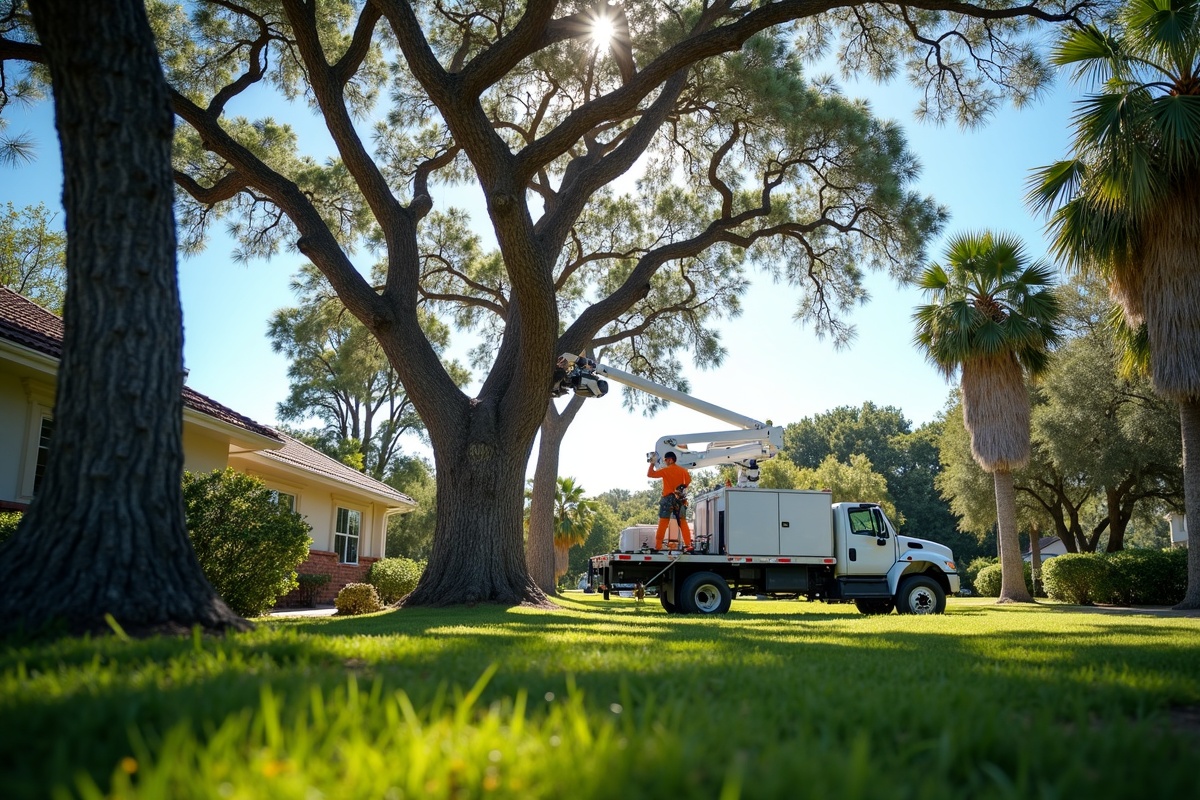
    4. Crown thinning on large live oaks near your home. This is the highest-impact step for reducing storm damage potential. Thinning a dense oak canopy by 20–25% significantly cuts the aerodynamic load during high winds.

    5. Deadwood removal from the general canopy. Even deadwood not over a structure adds to the debris field in a storm.

    6. Structural pruning on trees with visible co-dominant defects (where addressable — large mature stems with heavy included bark may not be correctable at this stage).

    Worthwhile if time and budget allow:

    7. Crown raising on trees adjacent to structures for clearance over roofs, docks, and pool cages.

    8. Sabal palm and ornamental palm maintenance — remove dead fronds and accumulated boot material that can become airborne.


    What NOT to Do Before a Storm

    A few common mistakes to avoid:

    Don’t top your trees. Topping — cutting the main leaders or removing large canopy sections — is often sold as “hurricane prep” by less reputable operators. It isn’t. University of Florida IFAS Extension and the International Society of Arboriculture both document that topped trees are more vulnerable to storm damage, not less. Topping creates large wounds, forces weak water sprouts, and undermines the tree’s structure. If someone offers to “top” your trees for hurricane prep, find a different company.

    Don’t “hurricane cut” your palms. Stripping green fronds from sabal or ornamental palms doesn’t improve wind resistance. Palms handle wind through flexible trunks and a compact crown — removing green fronds stresses the tree with no storm benefit.

    Don’t wait until a storm is in the Gulf. Once a system is being tracked and the peninsula is in the cone, available crews vanish. The lead time for proper pre-storm work is weeks, not days.


    During a Storm Watch or Warning: What Still Helps

    If a storm is already being tracked and you haven’t done pre-season work, your options narrow. In the 24–48 hours before a system arrives, what’s still useful:

    • Remove obvious widow makers or hanging branches you can safely reach (ground level only — no climbing in pre-storm conditions)
    • Move or secure anything under large trees that could become a secondary missile — lawn furniture, grills, planters, dock cushions
    • Document your trees with photos before the storm to support insurance claims afterward
    • Don’t attempt emergency trimming on large trees in the hours before a storm. The injury risk is high and the benefit is limited if the fundamentals weren’t addressed.

    After the Storm: Assessment Before Cleanup

    Once it’s safe to go outside:

    1. Don’t rush back under damaged trees. Partially broken branches caught in canopies can fall unexpectedly, sometimes hours later.

    2. Stay away from downed lines. A tree on a power line should be left alone until the utility confirms it’s de-energized.

    3. Document everything before cleanup begins. Photograph all damage from multiple angles — essential for your claim.

    4. Contact your insurance company before starting any cleanup.

    5. Call a tree service for fallen trees, trees on structures, and hanging hazards. For emergencies — trees on roofs, blocking access, threatening structures — see our Emergency Storm Damage page →.


    A Note on After-Storm Tree Service Scams

    After significant storms, the Gulf Breeze area unfortunately attracts unlicensed, out-of-state crews canvassing neighborhoods for cleanup work. These operations often:

    • Request cash payment upfront
    • Provide no written estimate
    • Can’t produce proof of insurance when asked
    • Perform substandard work (including harmful topping and over-cutting)
    • Disappear after payment without finishing

    Always verify credentials before any work begins. Ask for a written estimate, proof of general liability insurance, and a Florida license number. A legitimate crew provides all three without hesitation — and on high-value peninsula properties, the stakes of hiring an uninsured crew are especially high.


    Schedule Your Pre-Hurricane Season Tree Assessment

    The best time to call is now — before the season gets underway and before everyone else has the same idea.

    Call (801) 860-6906 or request a free assessment online →

    Gulf Breeze Tree Pros provides pre-storm trimming, deadwood removal, structural assessment, and crown thinning throughout the Gulf Breeze area and Santa Rosa County.

    Hurricane & Storm Prep Trimming Services → | Emergency Storm Damage → | Tree Trimming & Pruning →


    *Related reading:*


    *Note: This guide provides general hurricane preparedness information based on established arboricultural best practices and Gulf Coast storm experience. Every tree and property is different — a professional, on-site assessment is the only way to get advice specific to your trees and situation.*

    Get a Free Tree Service Quote

    Fill out the form below or call (801) 860-6906. We respond fast.

  • Hello world!

    Welcome to WordPress. This is your first post. Edit or delete it, then start writing!